01 / The framework
Device–vessel suitcordance
A translational framework for matching interventions with vessel anatomy, haemodynamics, biology and time.
Interventional cardiology × engineering
Making the device fit the vessel.
Connecting clinical questions with engineering.

Lingsen (Lucas) You 游凌森 · M.D., Ph.D.
Zhongshan Hospital, Fudan University
DEVICE–VESSEL SUITCORDANCE · AI & DIGITAL TWINS · PANVASCULAR PLATFORMS
01 / Research themes
I am an interventional cardiologist and researcher at Zhongshan Hospital, Fudan University, and an executive committee member of the Center of Cardiovascular Innovation of China (CCI). My work connects vascular biology, medical devices, flexible electronics, intravascular imaging, artificial intelligence and digital twins.
游凌森(Lingsen You / Lucas You),复旦大学附属中山医院介入心脏病学医生与研究者。研究围绕器械–血管适配(device–vessel suitcordance)与泛血管介入展开,结合柔性电子、血管内成像、人工智能与数字孪生,探索监测、干预和评估的一体化方法。下方收录相关论文、作者顺序、期刊影响因子与原文链接。
A translational framework for matching interventions with vessel anatomy, haemodynamics, biology and time.
Intravascular imaging, intelligent photonics and patient-specific modelling for more adaptive vascular care.
Flexible electronics, intelligent fibres and organ-on-chip systems connecting sensing, intervention and evaluation.
9 selected works · 8 published papers and 1 accepted manuscript
IF = journal impact factor. Year and source are shown on each badge. Trends in Molecular Medicine retains the supplied site record.
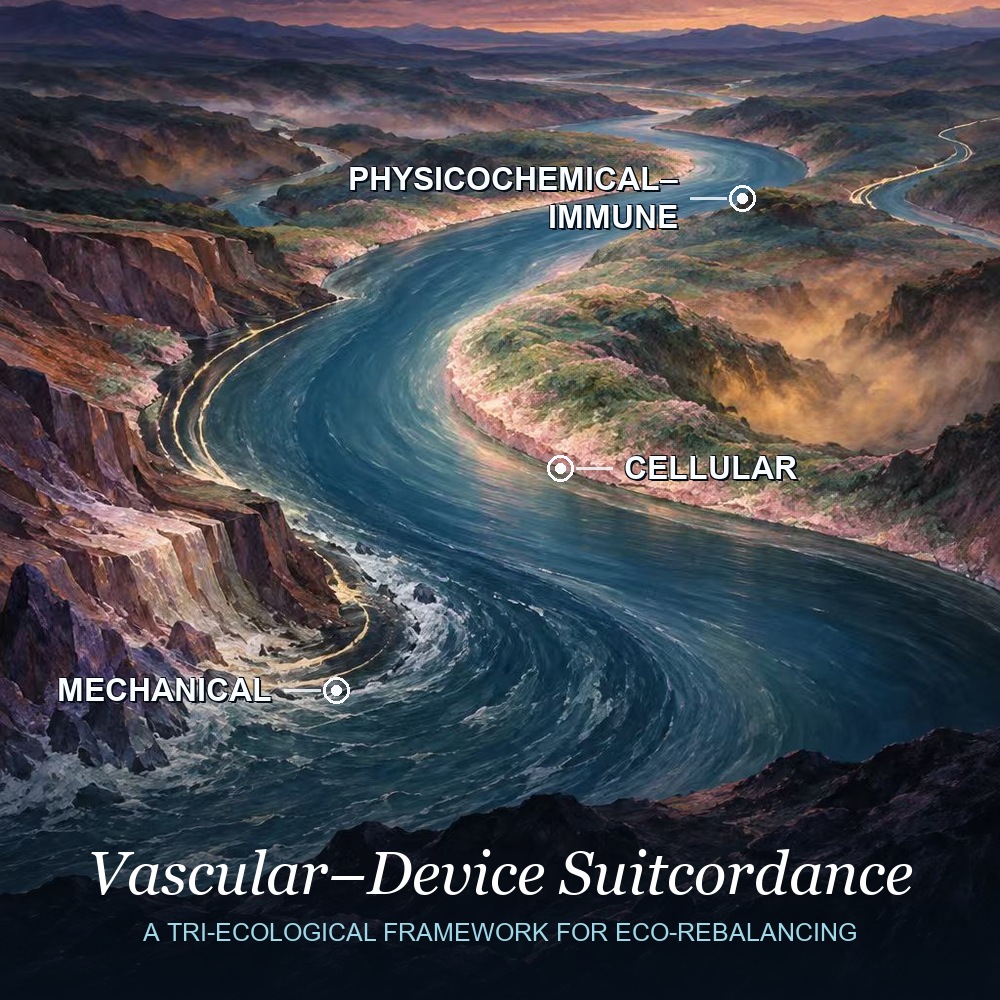
An ecological framework for considering how vascular devices interact with mechanical, cellular and physicochemical-immune balance over time.
2025 World-Class Sci-Tech Journal
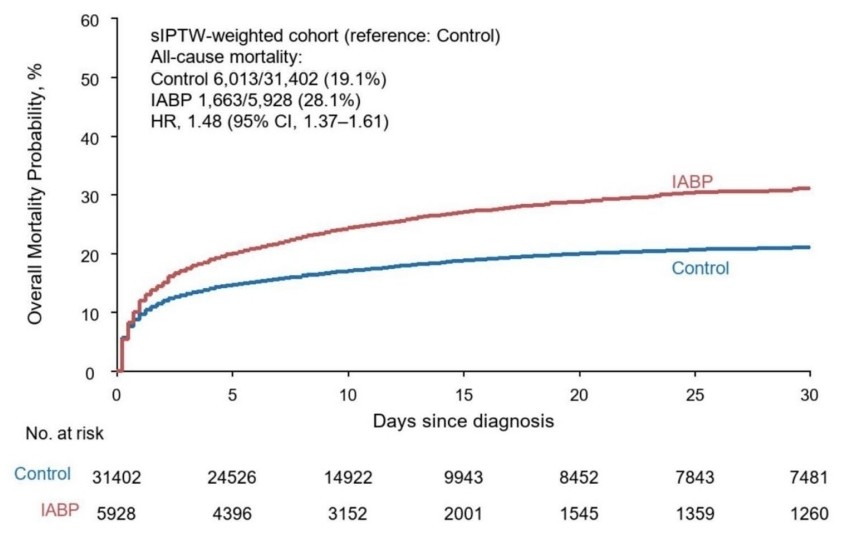
A nationwide cohort of 37,477 patients undergoing PCI for acute myocardial infarction with Killip class III or IV, drawn from the China Chest Pain Center Database (4,089 hospitals, 2019–2023). Using target-trial emulation with BART-based stabilised inverse probability weighting, intra-aortic balloon pump use during hospitalisation was associated with higher in-hospital all-cause mortality (28.1% vs. 19.1%; HR 1.48, 95% CI 1.37–1.61).
2025 World-Class Sci-Tech Journal
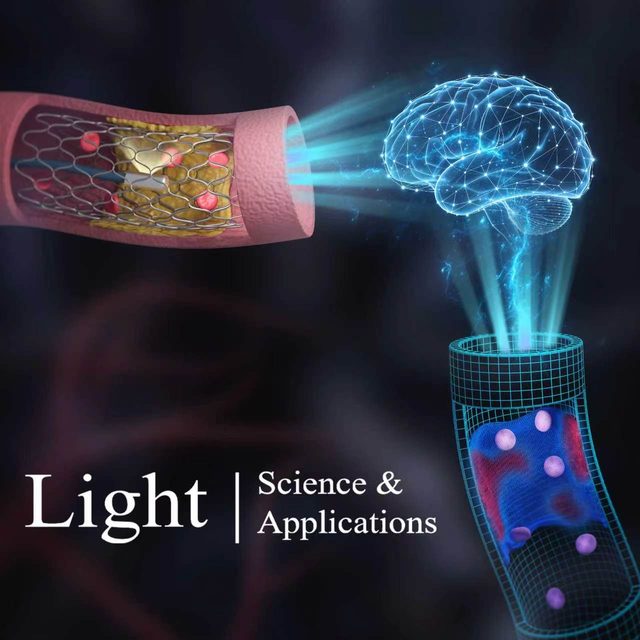
A review connecting intravascular optical imaging, AI-based image analysis and image-derived digital twins through the lens of device-vessel suitcordance.
2025 World-Class Sci-Tech Journal
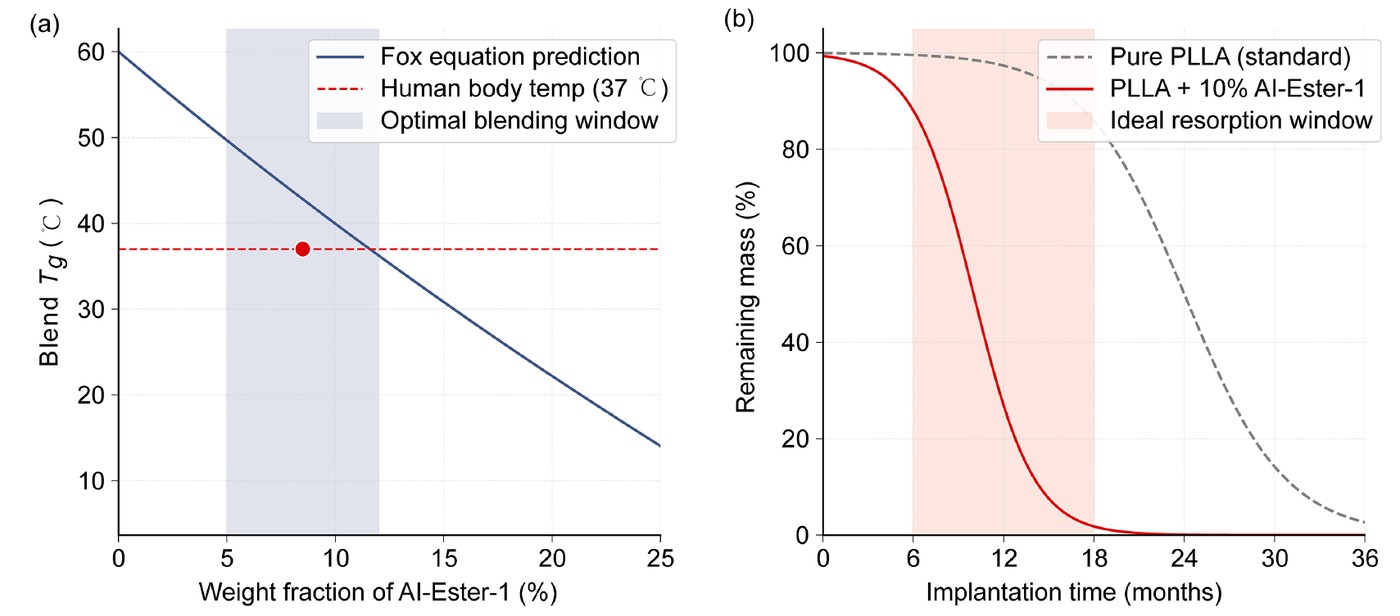
An AI-assisted approach to generating and screening candidate PLLA modifiers for bioresorbable vascular scaffold materials.
2025 World-Class Sci-Tech Journal
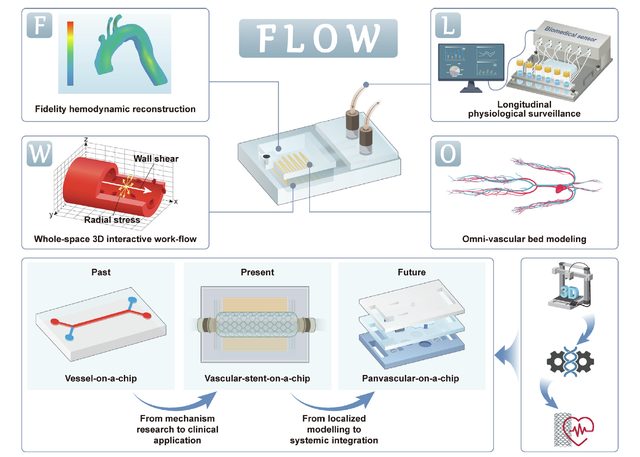
A panvascular-on-a-chip framework for exploring systemic vascular disease and device-vessel interactions across distinct vascular environments.
2025 World-Class Sci-Tech Journal
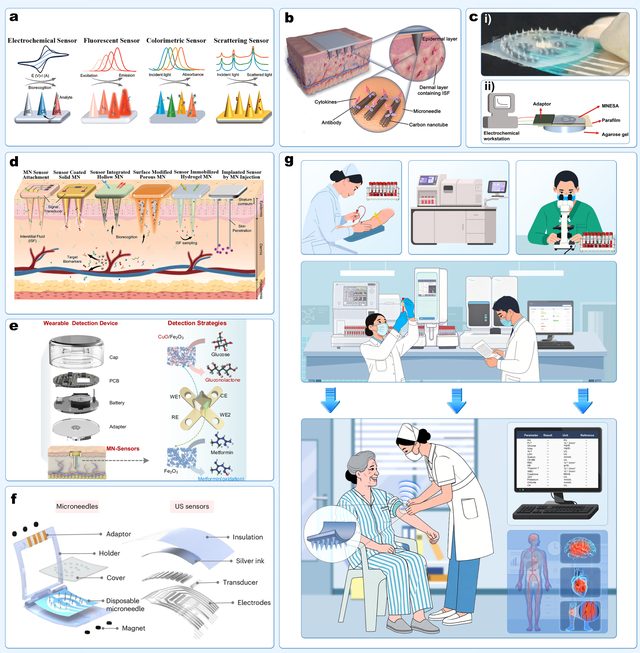
A flexible-electronics review organised around Assessment, Assistance, Aftercare and AI-retrofit across the course of panvascular intervention.
2025 World-Class Sci-Tech Journal
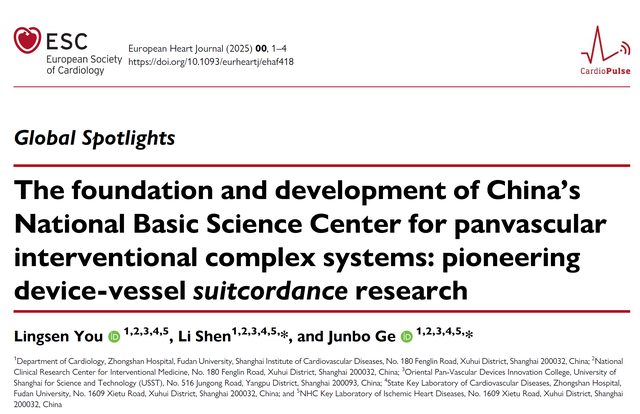
An account of the scientific foundations and development of China's National Basic Science Center for panvascular interventional complex systems.
2025 World-Class Sci-Tech Journal
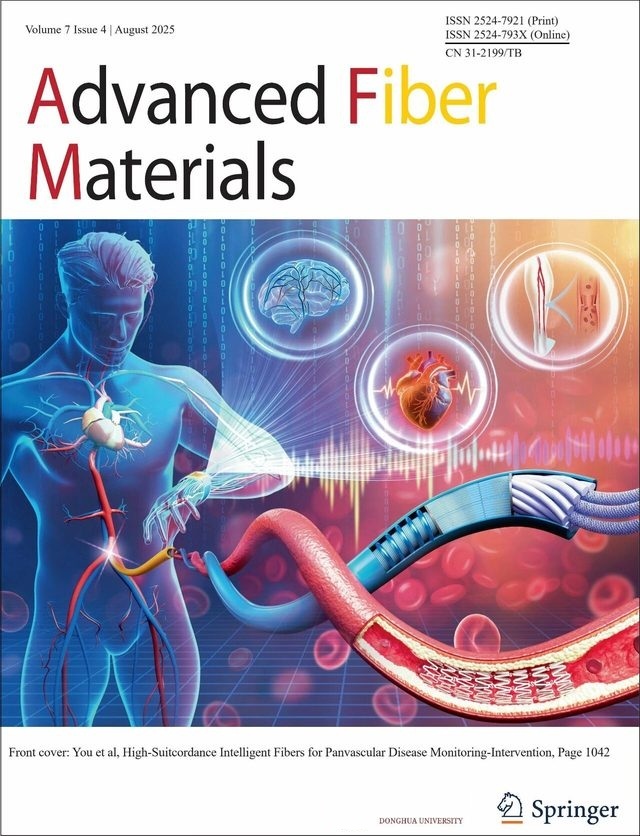
A review of flexible fibre systems for panvascular monitoring and intervention, with suitcordance linking immediate suitability to longer-term biological demands.
2024–2025 Best Cover Article Award
2025 World-Class Sci-Tech Journal
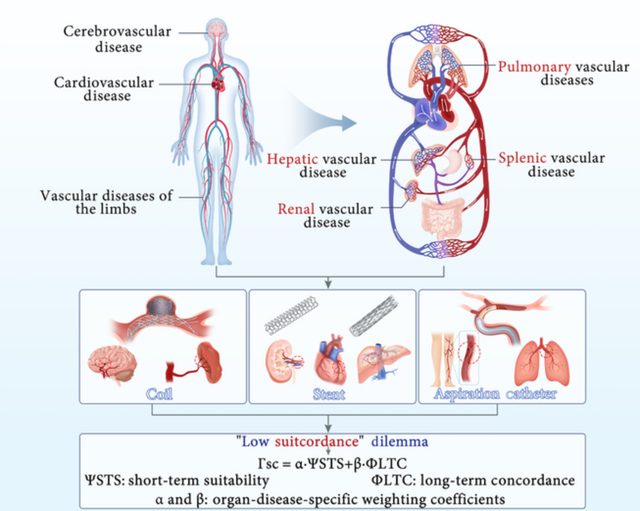
A perspective extending device-vessel suitcordance to the liver, kidneys, lungs and spleen, with attention to organ-specific needs over time.
2025 World-Class Sci-Tech Journal
The 2025 World-Class Sci-Tech Journal label refers to the ISTIC directory released in September 2026. The Trends in Molecular Medicine manuscript was accepted on 14 September 2026; its DOI will be added when available. Publication dates distinguish online-first release from issue dates where applicable.
Back to topKeep the conversation going
Interested in device–vessel suitcordance, preclinical device evaluation, intravascular imaging or AI? Get in touch.